


A building is not a pile of bricks.
It is a set of decisions about how the bricks relate to one another: which walls carry the weight, where the doors go, what is allowed to pass from one room to the next, and who holds the keys.
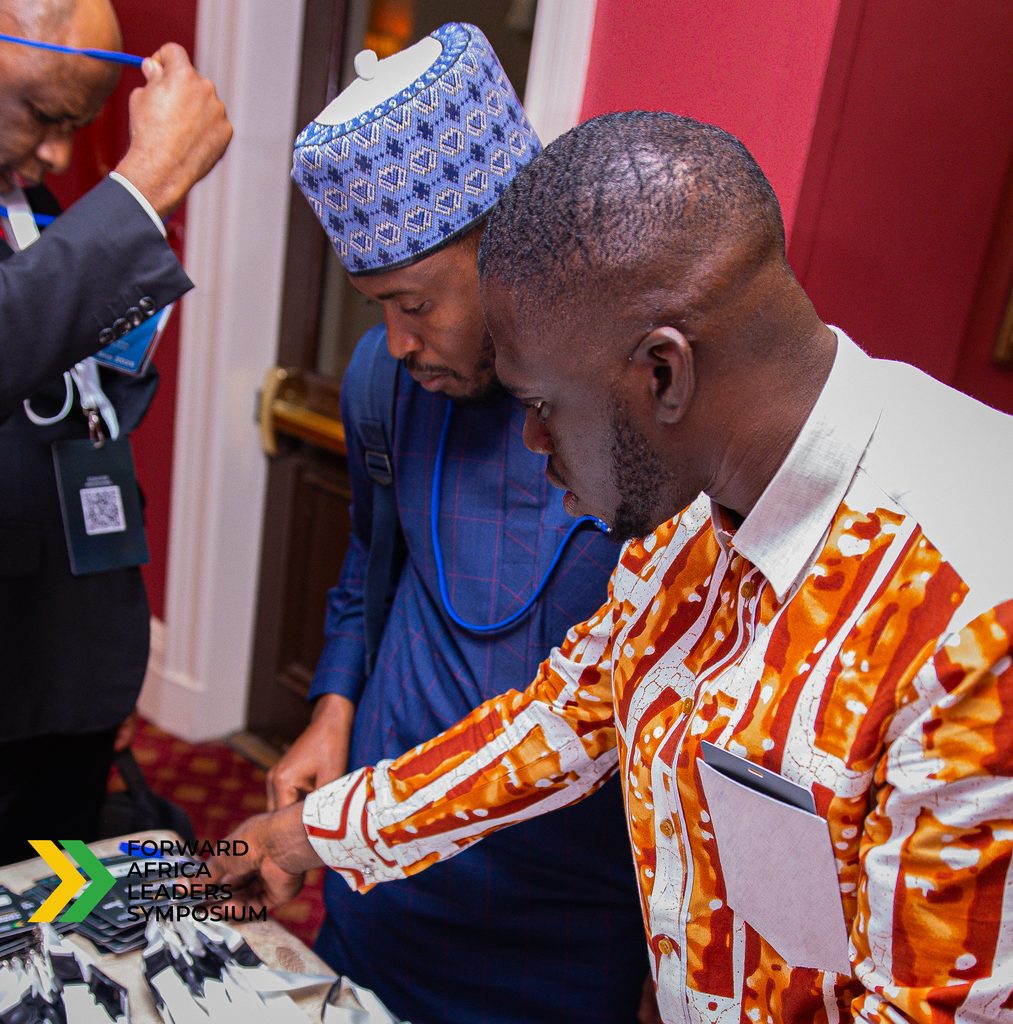
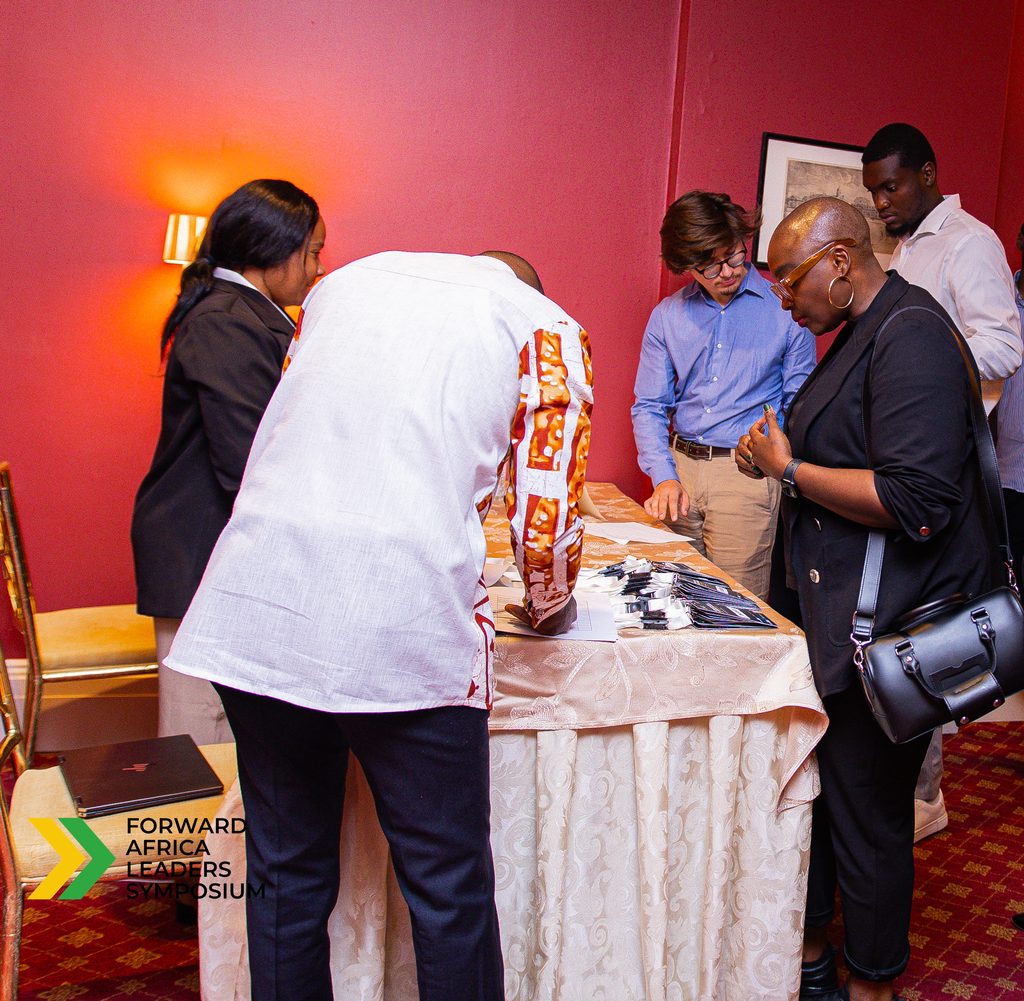
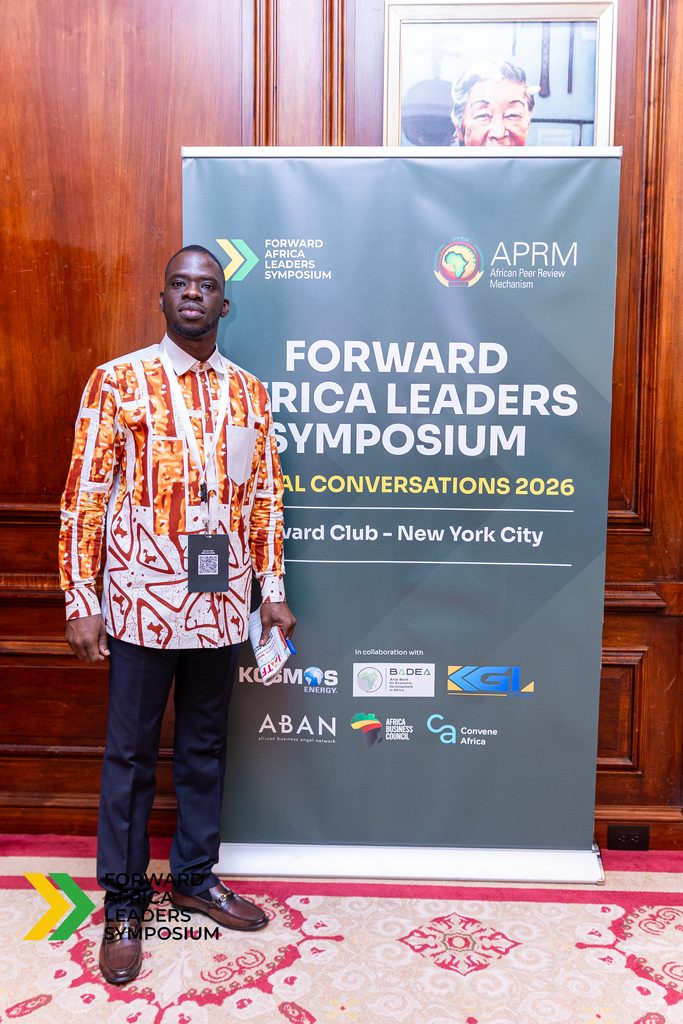
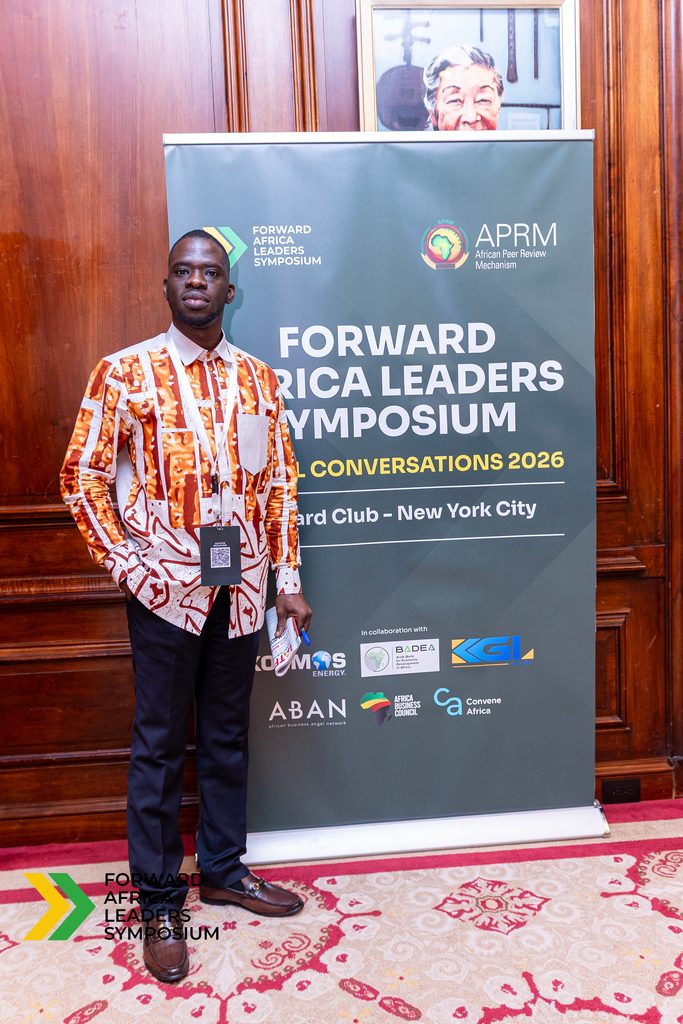
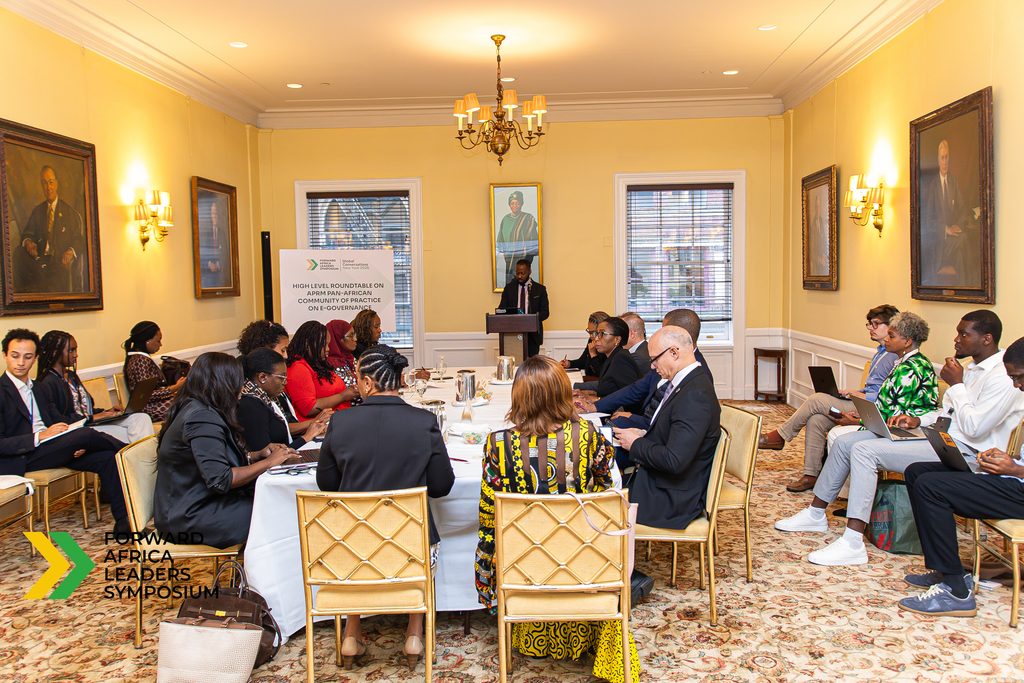
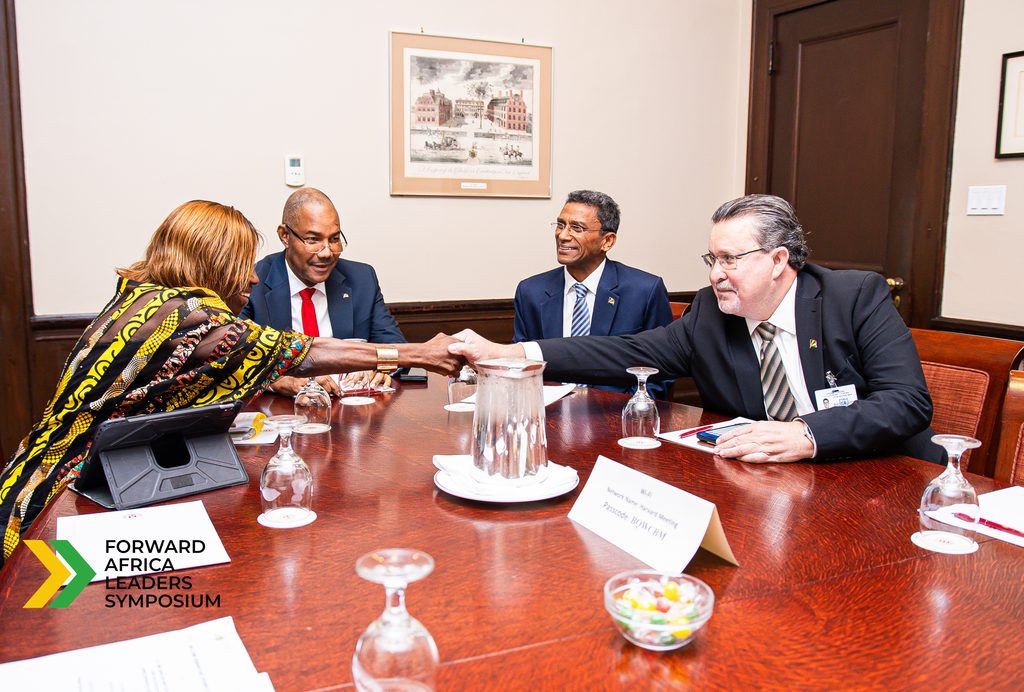
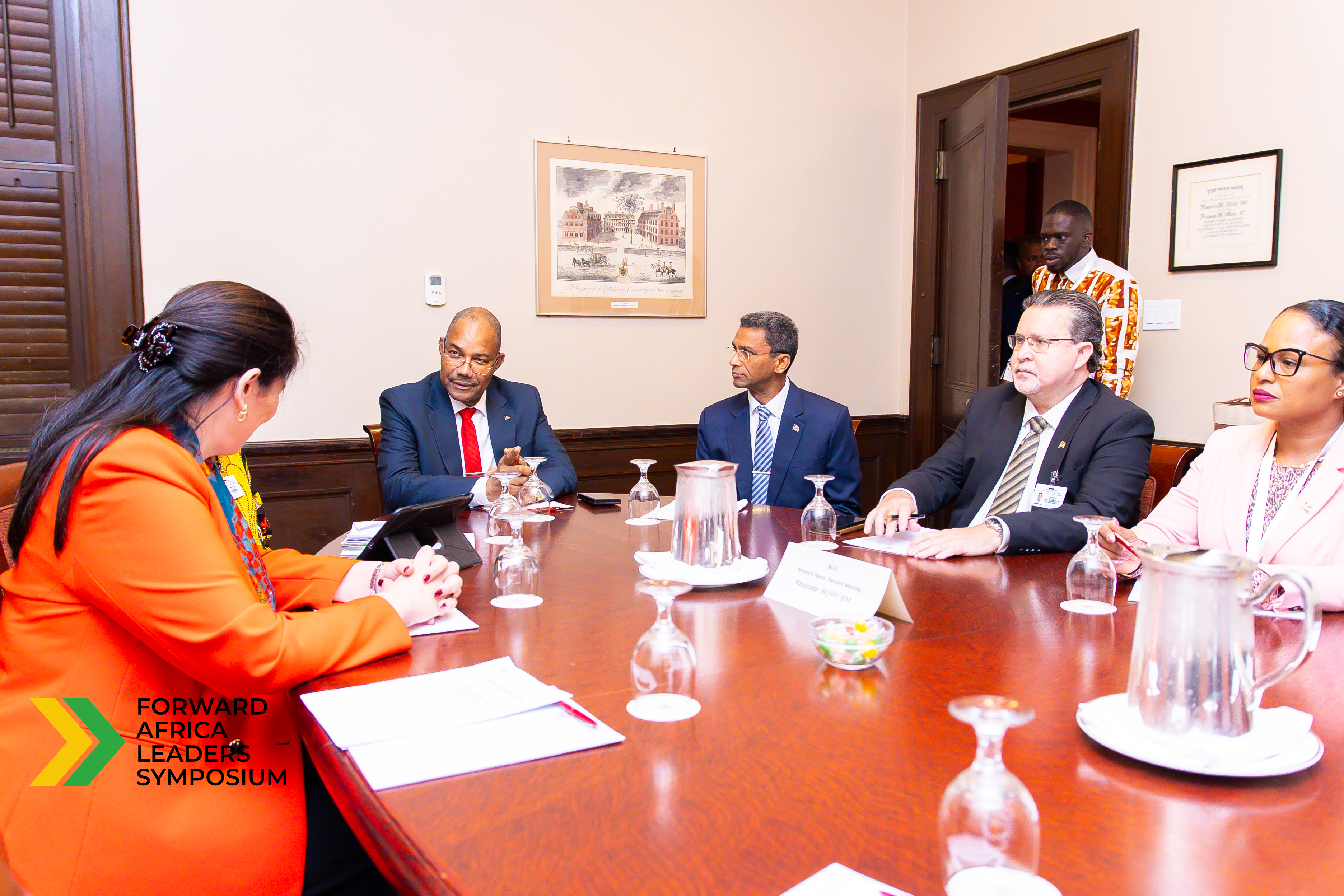
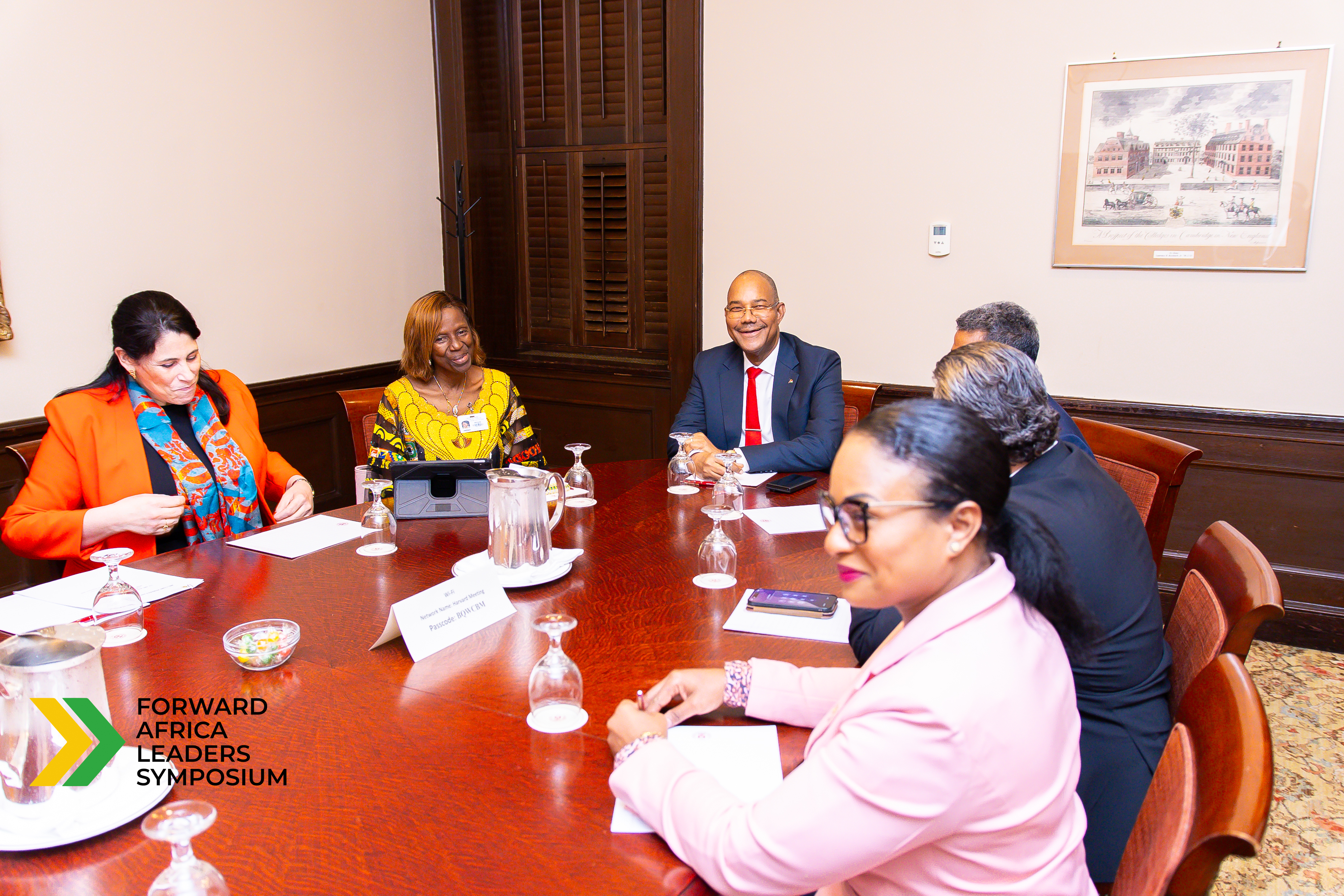
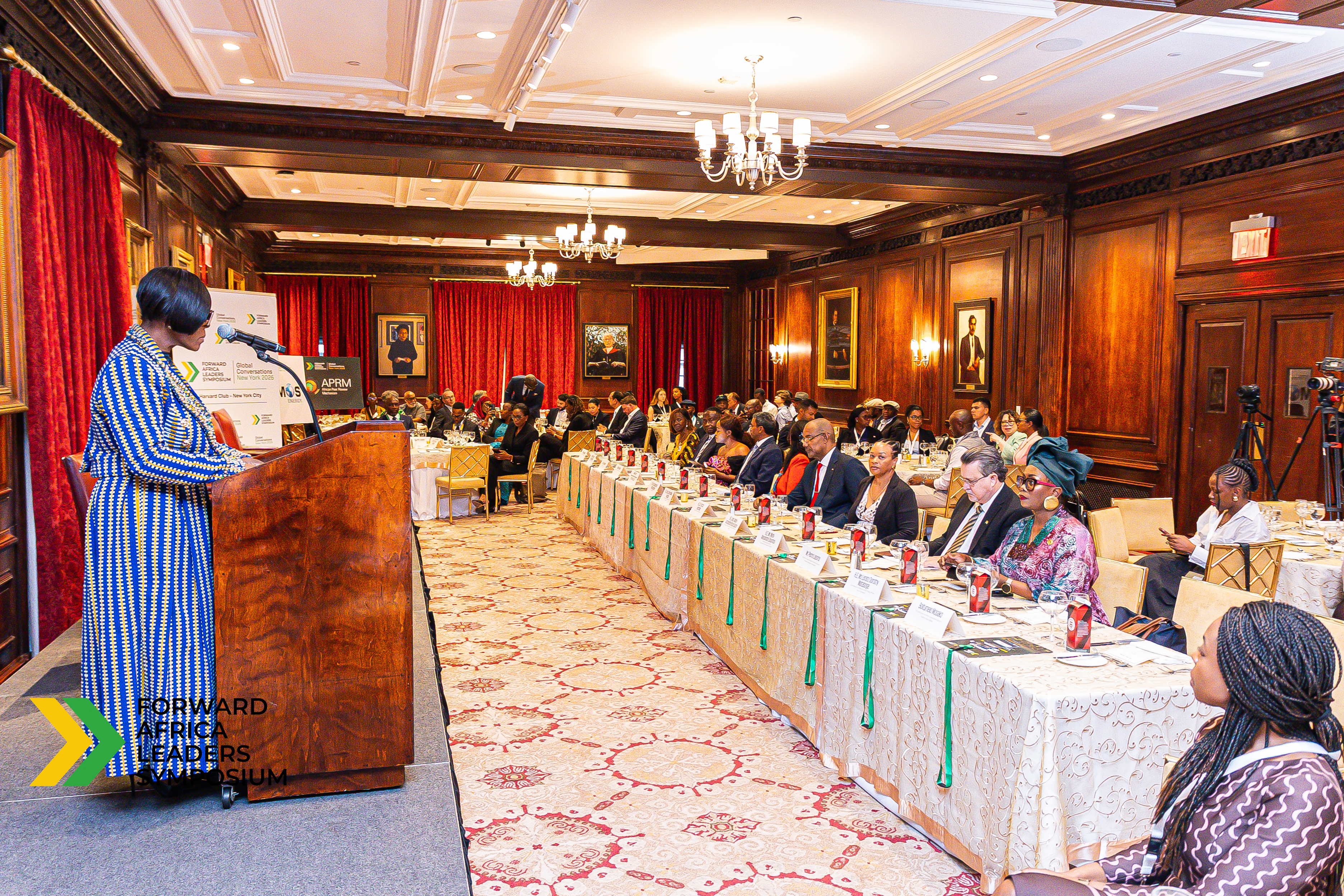
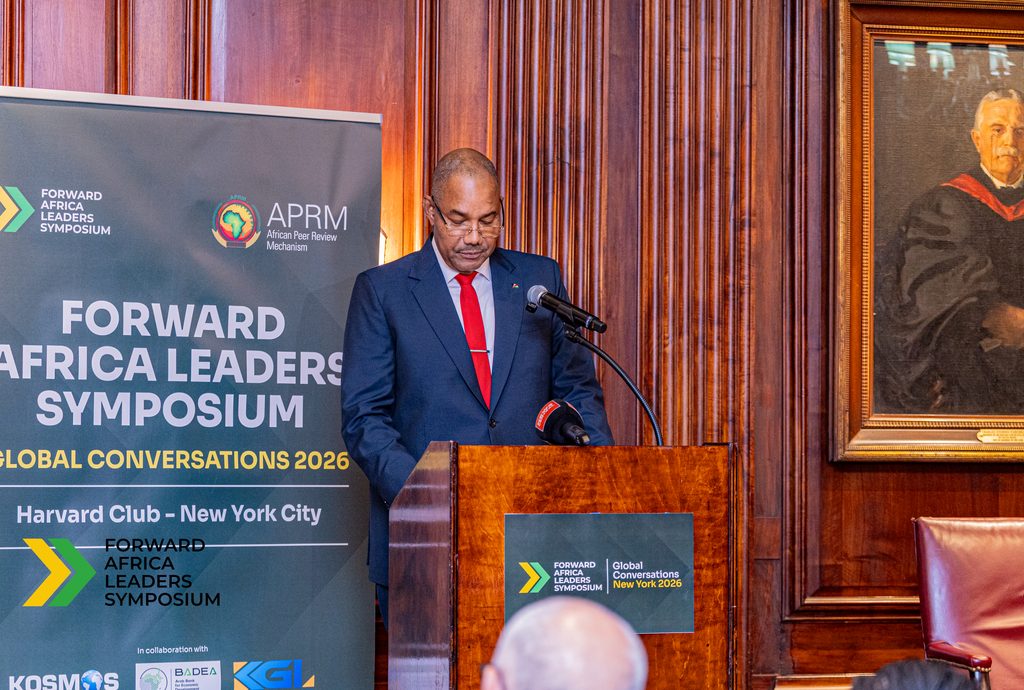
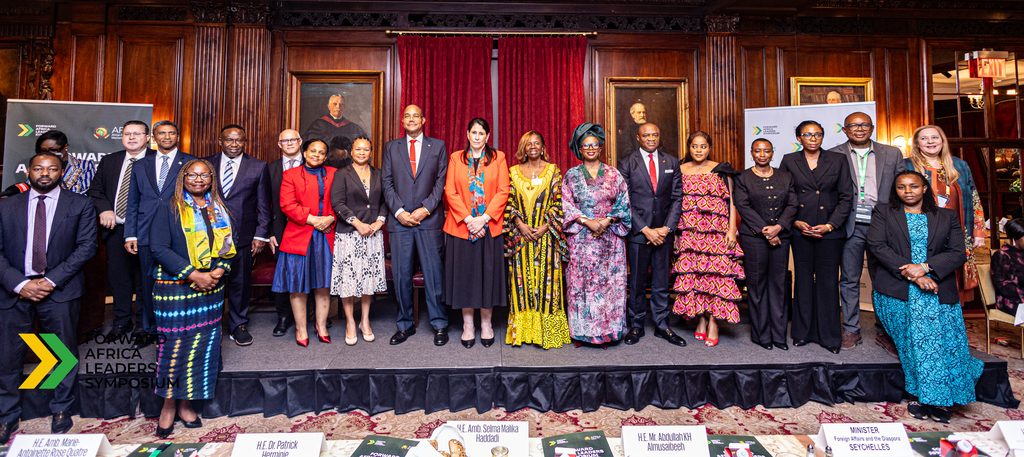
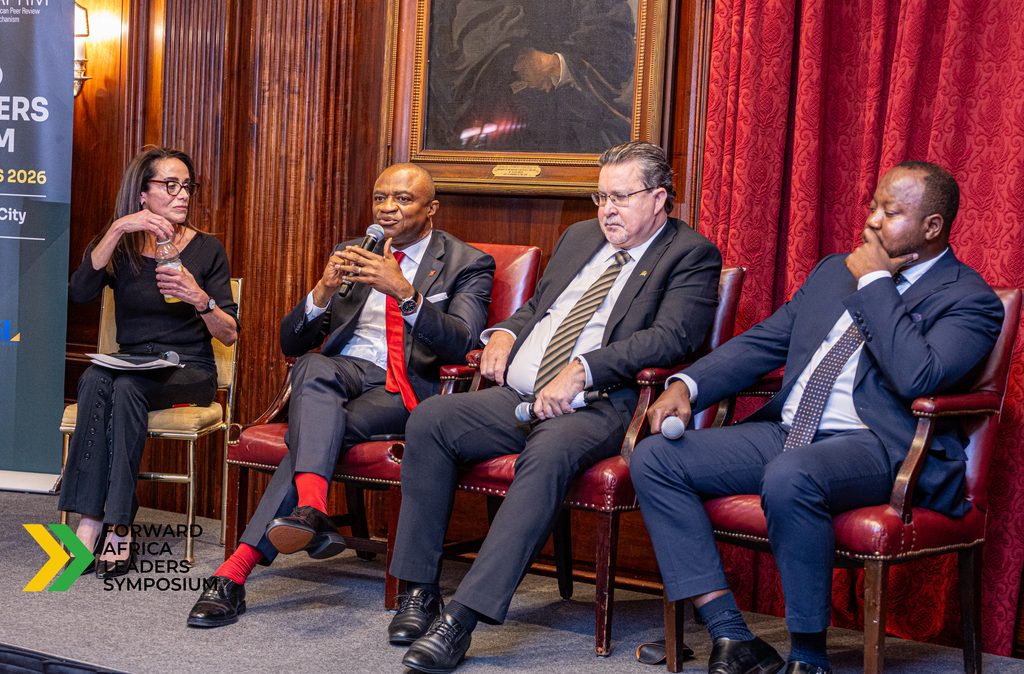
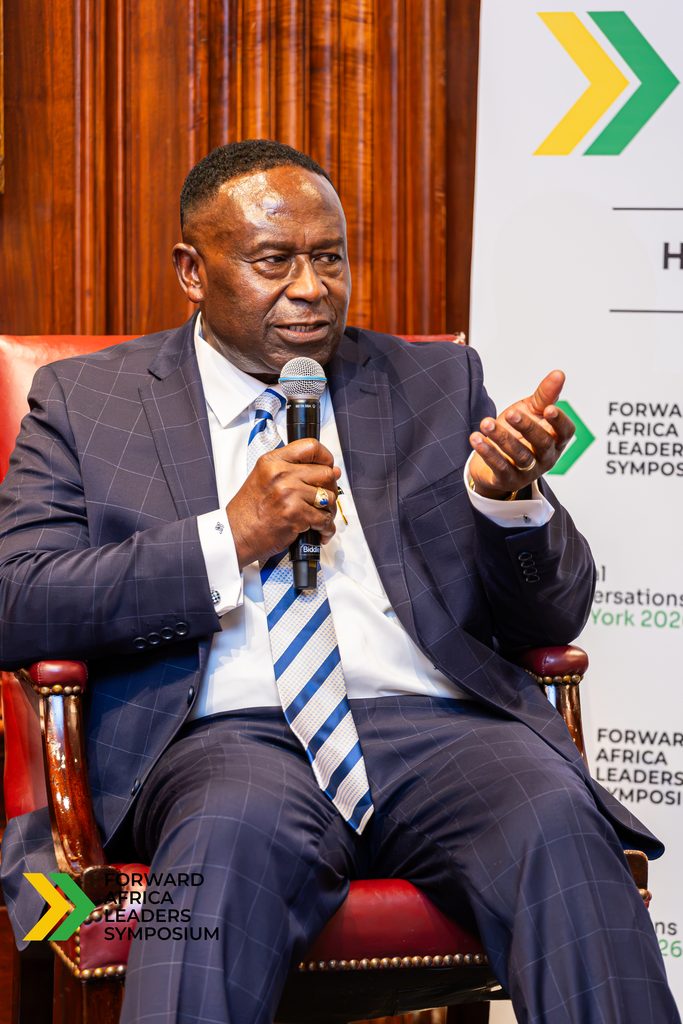
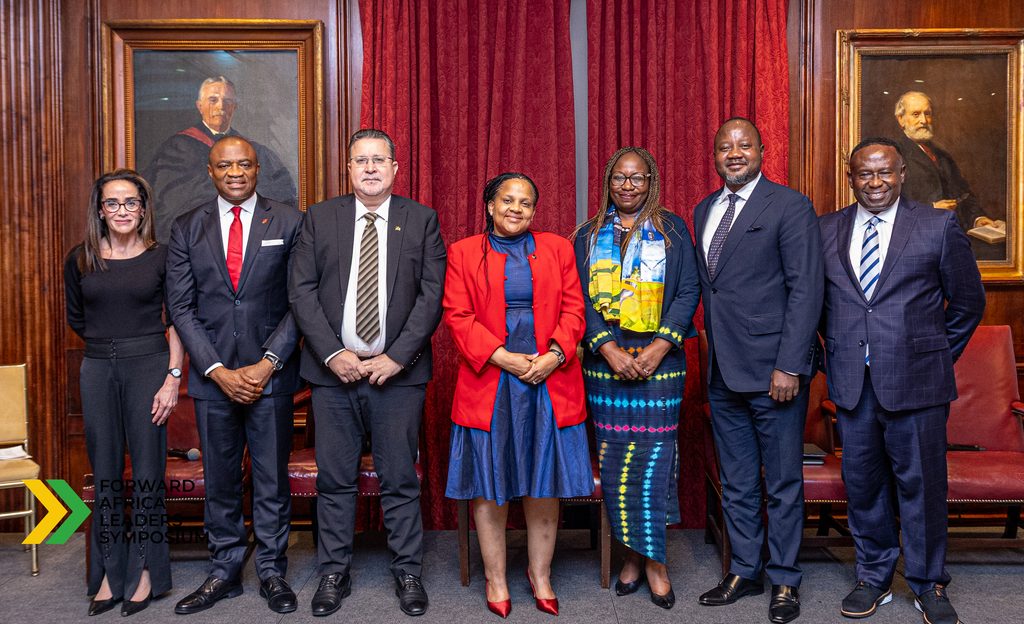
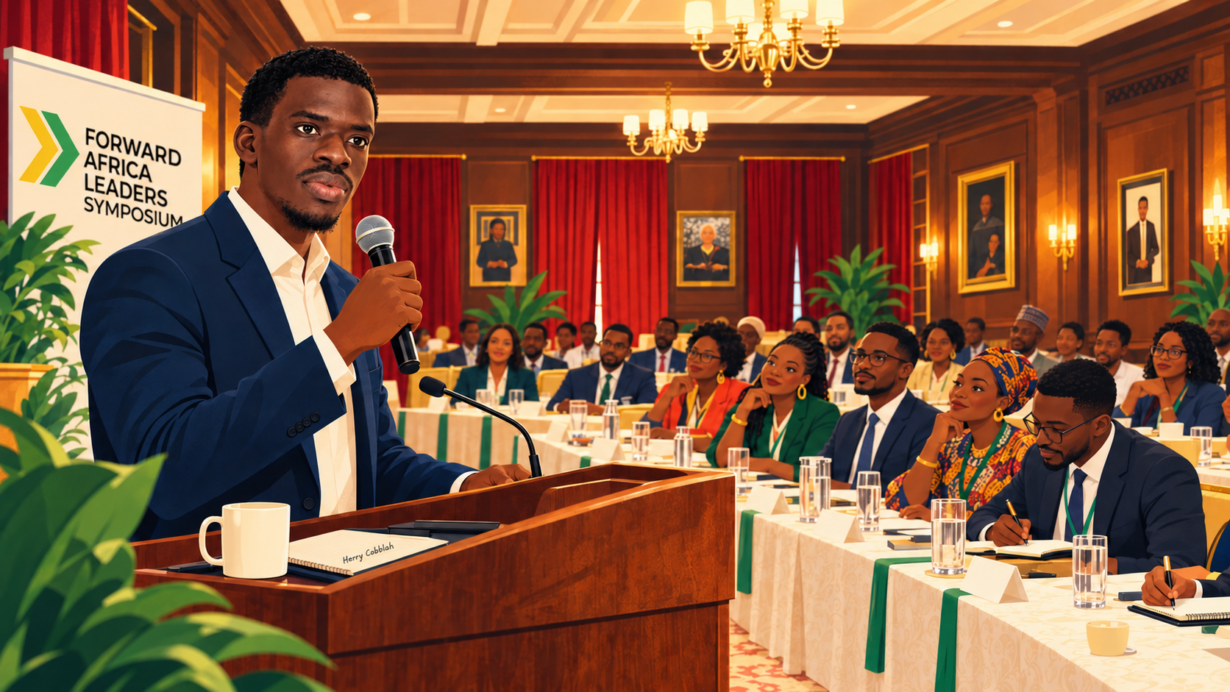
I kept returning to that thought in New York, where I had the privilege of helping to organise the Forward Africa Leaders Symposium (FALS) 2026 during the UN General Assembly week. Behind every well-run panel sits a great deal of unglamorous plumbing: run sheets, speaker briefs, registration systems, last-minute changes. Organising teaches you humility. It also gives you an unusual seat. You hear every session, not just the one you chose.


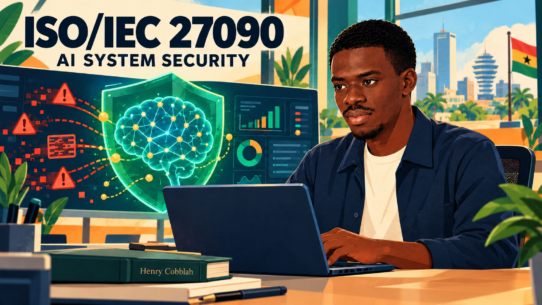
I came into that room wearing three hats. Through iSolve Africa, I lead a software development team building for clients in Ghana and the United States. I spend much of my working life helping organisations adopt AI responsibly. And as a governance, risk and information security practitioner, I am usually the person asking what happens when the clever system fails. Those three hats rarely agree with one another. At FALS 2026, for once, they did.
The symposium’s first takeaway set the tone: Africa must move from digital assets to digital architecture. The future, as the framing put it, lies not in isolated solutions but in integrated ecosystems.
That sentence deserves to be read slowly. Africa is not short of digital assets. We have mobile money at a scale the rest of the world studies, fintechs that raise in dollars, new data centres, national ID programmes, and developers who ship production code on unreliable power and expensive data. What we have too little of is architecture: the shared rules, standards and rails that let one asset talk to another without a fresh negotiation every time.
H.E. Amb. Marie-Antoinette Rose Quatre, Chief Executive Officer of the African Peer Review Mechanism (APRM), named the foundations plainly: “Africa’s digital future must also be built on sound governance, African ownership, productive technology diffusion and the capacity to adapt.”
As someone who deploys AI for clients, the phrase I underlined was the last one. Importing a model is easy. Adapting it is where both the value and the risk live: adapting it to Twi and Hausa, to informal traders whose credit history is written in mobile money transactions rather than bank statements, to public services where a wrong answer is not an inconvenience but a denied benefit.
That is why the second takeaway, that artificial intelligence is a governance issue as much as a technology issue, landed so firmly with me. Every AI engagement eventually arrives at the same four questions. Whose data trained it? Where does it run? Who can explain a decision it makes? Who is accountable when it is wrong?
None of these is a coding question. They are governance questions wearing a lab coat. If Africa only adopts AI built elsewhere, it also adopts the answers someone else gave to those four questions.
Gboyega Dada, Chief Digital Transformation Officer at Standard Bank Group, made the dependency explicit: “There is no AI without data. If Africa cannot connect and leverage data across its borders, we risk being left behind.”
Here sat the most honest tension of the symposium. The third takeaway declared that data sovereignty will define Africa’s digital future. Dada warned that data which cannot cross borders cannot build intelligence. They sound like opposites. They are not.
Sovereignty is not hoarding. It is the right to set the terms on which data moves. A sovereign data regime is not a bricked-up wall; it is a door with a lock, and the owner holds the key. The African Union’s Data Policy Framework, adopted in 2022, and the Malabo Convention on Cyber Security and Personal Data Protection, in force since 2023, already sketch that door. Our task is to hang it on its hinges, through national laws such as Ghana’s Data Protection Act, 2012 (Act 843), that are interoperable rather than mutually suspicious.
Oliver Alawuba, Group Managing Director and CEO of UBA Group, offered the image I will carry home from New York: “Africa is one building with many rooms separated by high walls. If we are serious about growing capital and accelerating development, those walls must come down.”
Fifty-four rooms. Fifty-four sets of licensing rules, data residency requirements, payment schemes and KYC standards. A developer in Accra who builds a product for Lagos, Nairobi and Kigali does not build it once. She builds it four times and audits it four times. That is not a technology problem. It is a wall problem.
Oluranti Doherty, Managing Director, Export Development at Afreximbank, described what replaces the walls: “Trade integration requires more than agreements. It requires payment, finance and verification systems that allow African businesses to transact seamlessly across borders.”
Agreements are blueprints. Payment, finance and verification systems are the corridors people actually walk through, and the Pan-African Payment and Settlement System (PAPSS) is one such corridor. The word I underlined twice, though, was verification. In risk work, verification is everything: is this customer who they claim to be, is this invoice genuine, did this container actually leave the port?
The ninth takeaway put it in one line: trust is the foundation upon which Africa’s digital economy will be built. Harmonised regulations and trusted digital systems are not a constraint on innovation. They are what makes innovation insurable.
Jean-Paul Adam of the UN Office of the Special Adviser on Africa connected trust to opportunity: “Digital inclusion is economic inclusion. When we bring more Africans into formal systems, we make individuals and nations more investable.”
Investable is a precise word. A trader with no digital footprint is invisible to credit. A country with no reliable data is invisible to capital.
The seventh and eighth takeaways followed naturally: digital inclusion must reach every African, and Africa’s young population is its greatest competitive advantage, provided skills development moves at the pace of technological change. As an employer of developers, I would add one caveat. Teaching young people to use AI tools is the easy part. Teaching them to question those tools, to test them for bias, to log their decisions and to recognise when a model is confidently wrong, is the part that builds a profession rather than merely a workforce.
Then came the reminder no developer in Ghana needs twice. The fourth takeaway: there can be no digital economy at scale without energy at scale. Every developer in Accra has a dumsor story, a deployment lost mid-push or a server room running on a generator. AI makes this sharper, not softer. Training and running models is energy-hungry, and the data centres that would keep African data on African soil need stable, affordable power before they need anything else.
Sovereignty without electricity is a slogan.
On money, the symposium was refreshingly blunt. The fifth takeaway: the challenge is no longer capital, but bankable projects. Marie-Laure Akin-Olugbade, Senior Vice President of the African Development Bank Group, called for stronger collaboration among Africa’s development finance institutions through the New African Financial Architecture, and for greater transparency from institutional investors on where and how they invest in African infrastructure and agriculture.
From where I sit, bankability is largely a question of legibility. Capital is not shy; it is cautious, and it shows up for projects it can read. An ISO/IEC 27001 certification, a clean audit trail, a data protection impact assessment, a documented AI risk register: these are not bureaucratic decoration. They are how a project tells an investor, in a language the investor already speaks, that it can be trusted.
Governance is not the brake on African digital investment. It is the translation layer.
No single actor can build that layer alone, which is why the sixth takeaway insisted that public-private collaboration is essential for scale. Governments write the building code. Banks finance the floors. Developers wire the rooms. Auditors check that the wiring will not burn the house down. Each needs the others.
Joe Mensah, Senior Vice President and Head of the Ghana Business Unit at Kosmos Energy, brought the conversation back to character: “Africa’s future depends on accountable leadership and greater confidence in our own opportunities. Success stories such as major African-led listings should inspire both the diaspora and domestic investors to participate more actively in the continent’s growth.”
Anyone who works between the United States and Ghana knows the diaspora’s question by heart: is it safe to build there? Accountable leadership is the only durable answer. And in a digital economy, accountability is something you can engineer: audit logs that cannot be quietly edited, procurement that is published, algorithms whose decisions can be explained to the citizen they affect.
The tenth takeaway gathered everything into a single sentence: the future belongs to connected African markets, and Africa’s competitiveness will depend on its ability to connect markets, people, capital and ideas across borders.
So here is my own conclusion, from the three hats I wore in New York.
Africa’s digital transformation is not only about expanding access to technology. Access is the room. What makes the room useful is the building around it: strong institutions, effective governance, local ownership, and the capacity to adapt technology to Africa’s own development needs. As digital technologies reshape our economies and public services, those foundations will decide whether digital progress becomes sustainable development or simply a more efficient way of standing still.
AI will be the most demanding tenant this building has ever had. It will want the data in every room, the power in every socket and the bandwidth in every corridor. If we let it move in before the building code is written, it will arrange the furniture to suit a landlord who lives somewhere else.
So, to my fellow builders, the developers, the enablers and the auditors: Design for interoperability before you are asked. Build privacy and explainability into the first sprint, not the last. Document your risks as carefully as you document your code. Teach the young engineers on your team to question the machine, not merely to operate it. And when a regulator, a bank or a ministry asks for a seat at the design table, pull up the chair.
Assets impress. Architecture endures.
Africa does not need higher walls. It needs better doors.
My sincere thanks to the FALS organising team, our speakers and partners, and everyone who made New York possible. It was an honour to help build the room.